
GOOD NEWS: EBNet’s official UKRI funding ended on 31 Jan 2026, but many of our activities are continuing – directly, and in conjunction with EBIC, Better Water 4 All and others. We will:
- Continue to publish and promote forthcoming reports and papers based on EBNet’s work
- Run webinars, and make this and other content available on our YouTube channel
- Keep updating the website pages, especially Working Groups and Resources, and add occasional News items
Some of our Working Groups are continuing their activities through EBNet, while others have found new homes. For more details see here, and watch out for updates on the WG pages and News items!
The Environmental Biotechnology Network (EBNet) is one of 6 Phase II Networks in Industrial Biotechnology and Bioenergy originally funded by the Biotechnology and Biological Sciences Research Council (BBSRC) with additional support from the Engineering and Physical Sciences Research Council (EPSRC).
Our community of academics and industry is dedicated to engineered microbial systems for environmental protection, bioremediation and resource recovery. These include, for example, microbes in anaerobic digestion, wastewater treatment and those that bio-degrade plastics, oil or other emerging pollutants. Our remit includes terrestrial and aquatic environmental biotechnology, organic resources and life cycle sustainability assessment (LCSA). Click on the video below to find out more.
If you are interested in these topics, EBNet is free-to-join. The Network:
- facilitates partnerships, networking and knowledge transfer between academia and industry
- supports Working Groups to carry out activities in specific areas of environmental biotechnology
- provides the next generation of researchers with information on opportunities for training, travel and practical experience
- has funded Business Interaction Vouchers (BIV) of £5k – £20k for projects lasting up to 6 months
- awarded Proof of Concept (PoC) grants of up to £100k for projects of up to 12 months’ duration
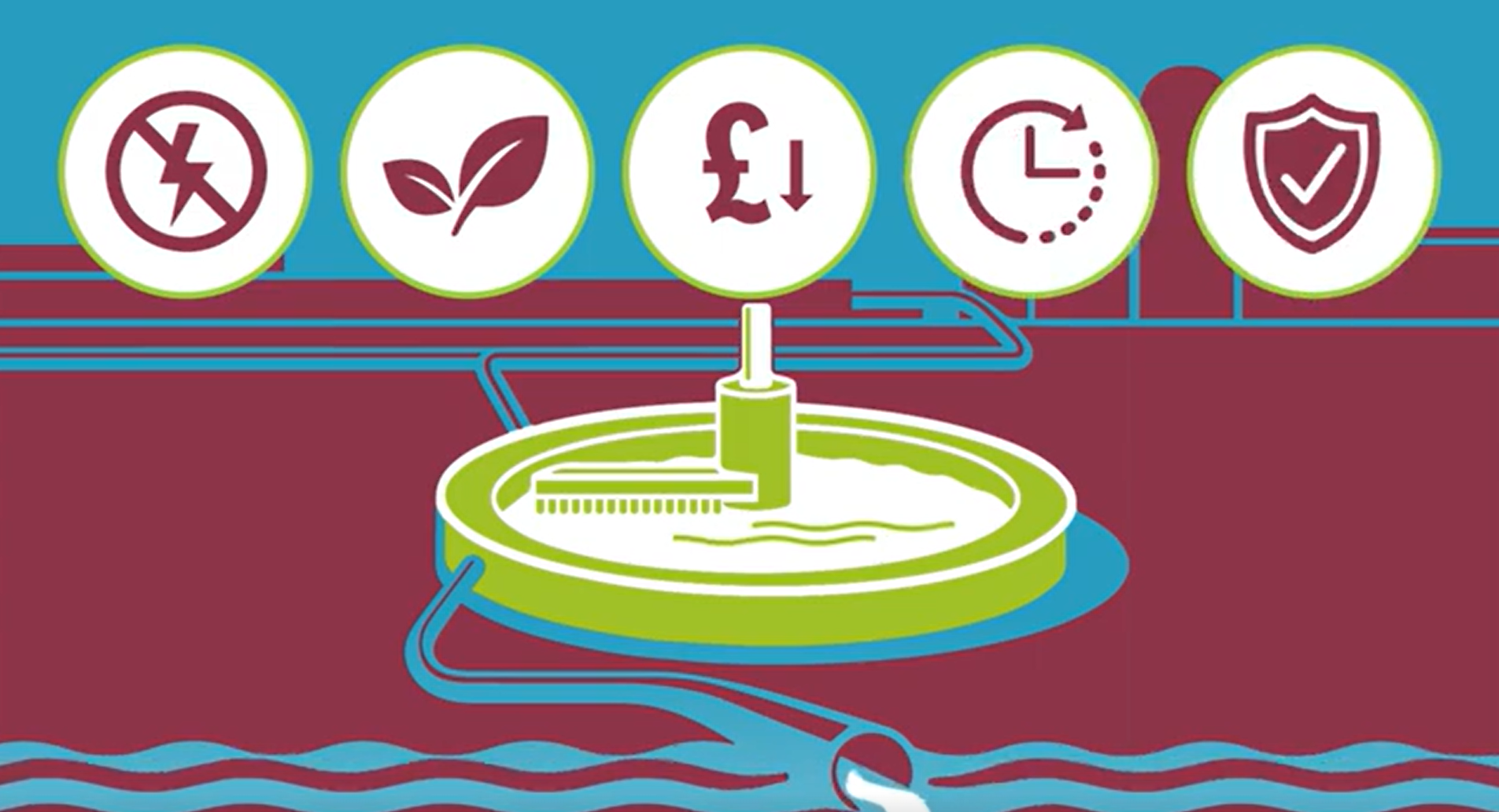
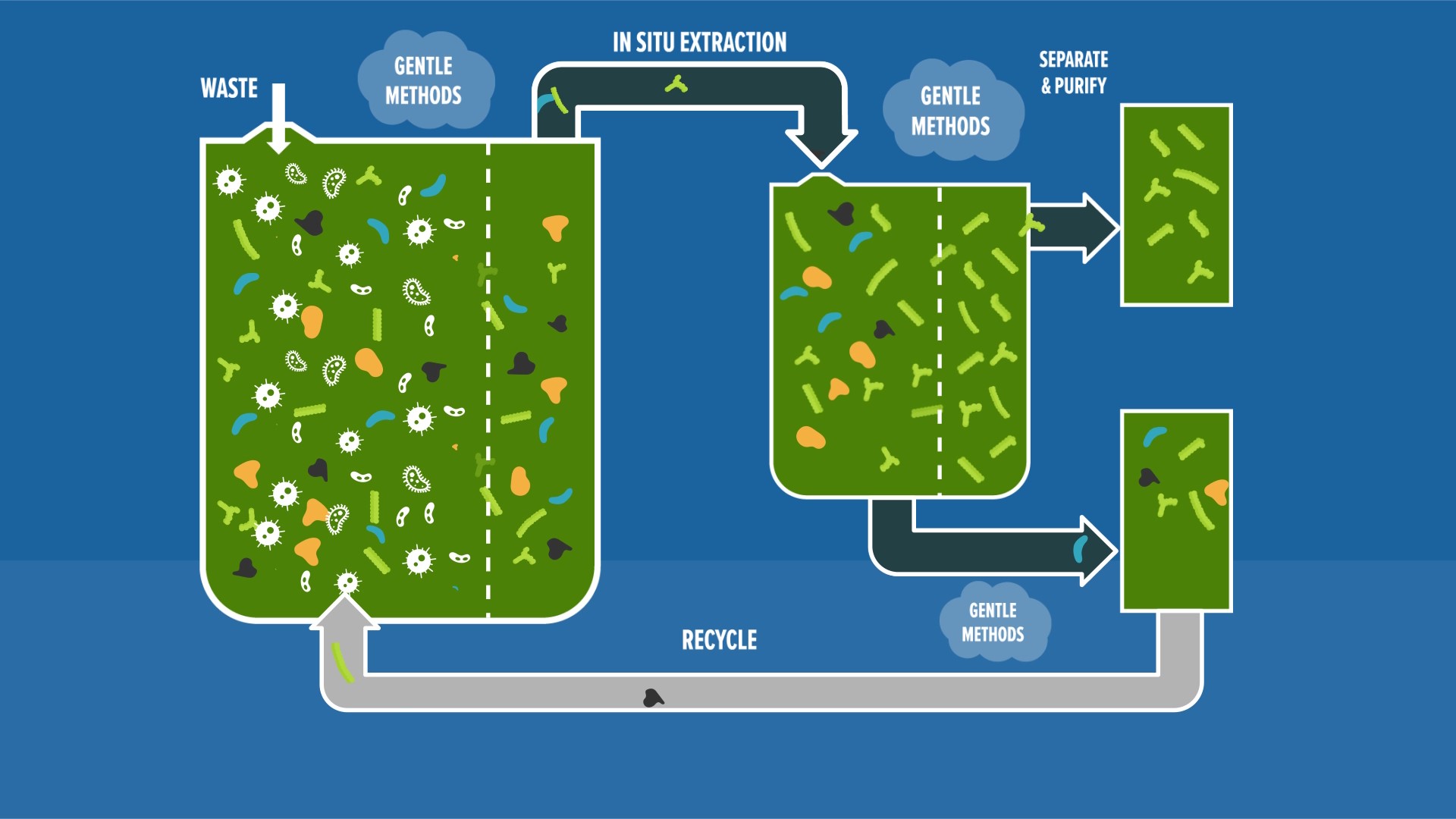
For more on specific aspects of Environmental Biotechnology, take a look at our YouTube channel or at the series of animations we have developed with the help of Senate Media.
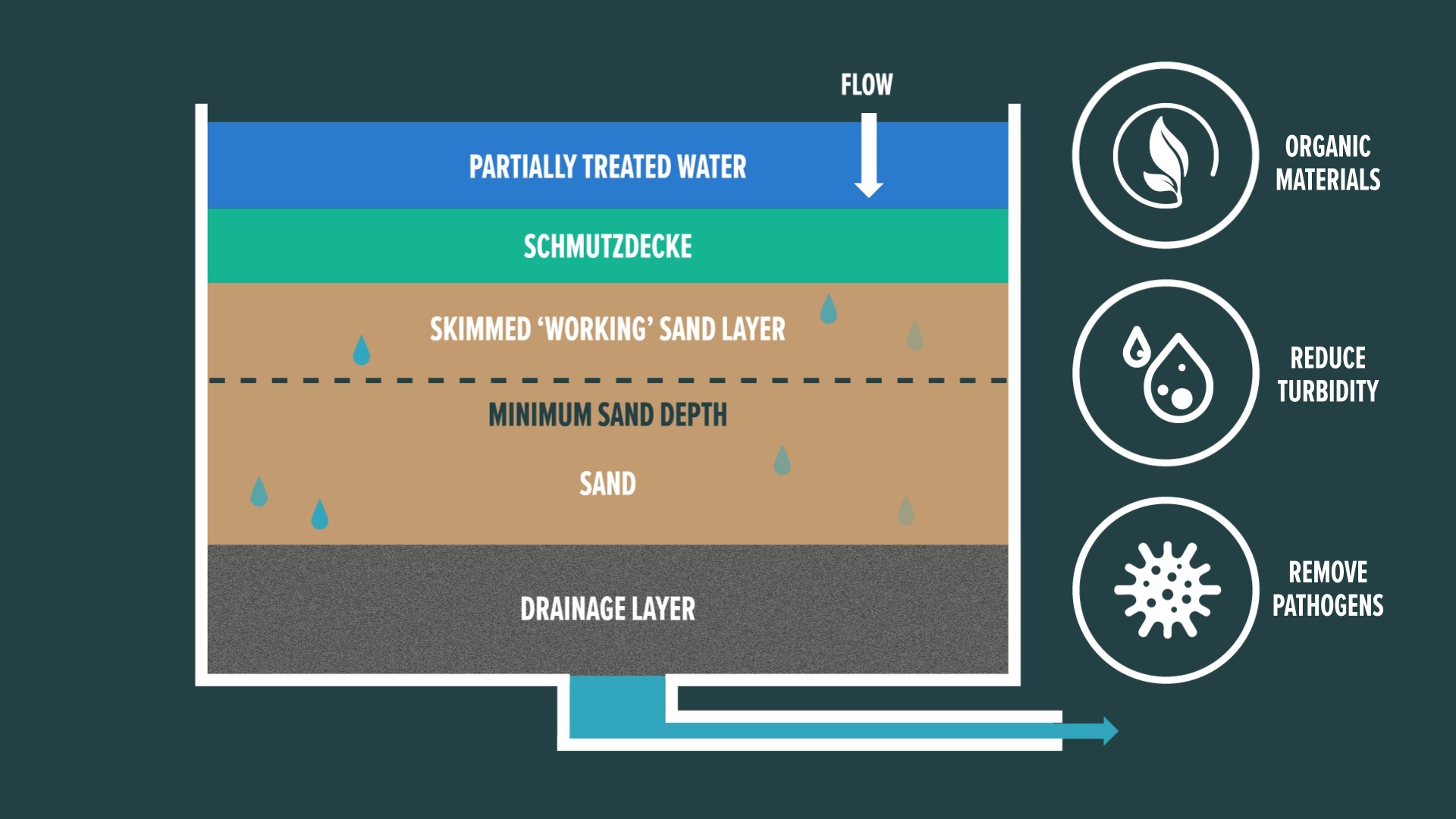


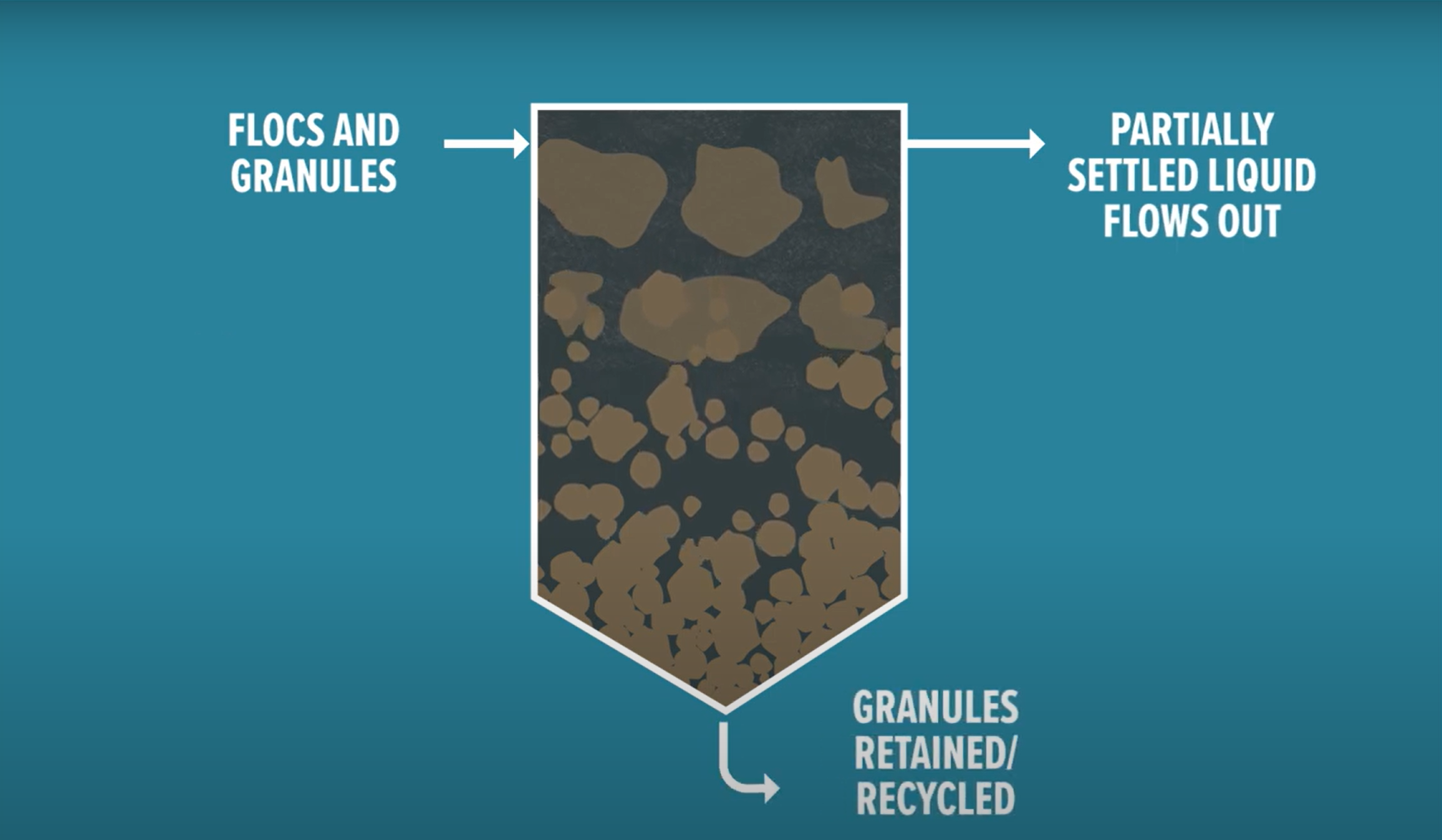
 For lots more on our activities, see our individual Working Group pages, and our #EnvBiotechAware week which ran from 3-7 March 2025. More details of Resources and Outcomes are also available on the tabs above.